Cat Urine Health Risks: What Every Pet Owner Should Know
Cat urine may seem like a minor household issue, but it can pose real health risks if not handled properly. The strong odor, caused by ammonia and bacteria, is more than just unpleasant—it can affect indoor air quality and overall well-being.
For pet owners, understanding the health risks of cat urine is essential to keeping both humans and cats safe. In this article, we’ll explain what makes cat urine harmful, who is most at risk, and how to prevent problems before they start.
What Is in Cat Urine?
Cat urine is made up of water, urea, uric acid, ammonia, and bacteria. When urine sits for a long time, urea breaks down into ammonia, which creates the strong, sharp smell many pet owners notice.
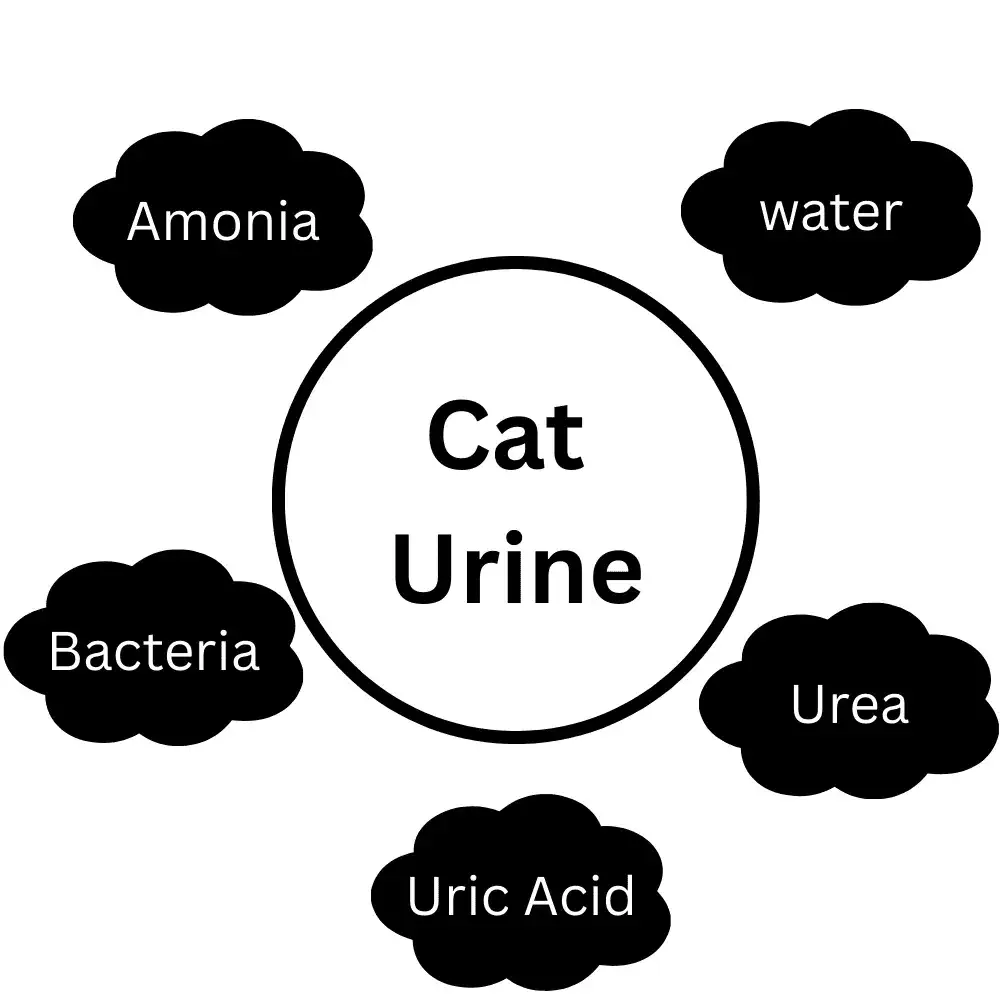
This ammonia buildup can irritate the eyes, nose, throat, and lungs, especially in poorly ventilated spaces. In some cases, bacteria and parasites present in urine can also increase health risks if proper cleaning and hygiene are not maintained.
Cat Urine Health Risks for Humans
Ammonia Exposure
The ammonia in cat urine can irritate the respiratory system, causing coughing, throat irritation, and even difficulty breathing in sensitive individuals. Long-term exposure in poorly ventilated areas may worsen asthma or other respiratory conditions.
Bacterial and Parasitic Risks
Cat urine can carry bacteria and parasites, the most notable being Toxoplasma gondii, which causes toxoplasmosis. While generally mild in healthy adults, it can be dangerous for pregnant women and people with weakened immune systems.
Allergies and Asthma Triggers
Even small amounts of cat urine residue can trigger allergic reactions, such as sneezing, itchy eyes, and skin irritation, especially in children, elderly, or sensitive individuals.
Health Risks for Cats
Cat urine issues don’t just affect humans—urinary health is vital for cats too. Common risks include:
- Urinary Tract Infections (UTIs): Caused by bacteria in the bladder, leading to painful urination and frequent accidents.
- Kidney Disease and Blockages: Crystals or stones in urine can block the urinary tract, especially in male cats, which is a serious emergency.
- Behavioral Stress Signs: Cats may urinate outside the litter box if stressed, dehydrated, or in response to illness, creating further health and hygiene concerns.
Maintaining proper hydration, litter hygiene, and regular vet checkups helps reduce these risks.
Signs of Harmful Cat Urine Exposure
Exposure to cat urine can affect both humans and cats. Recognizing early signs helps prevent serious health issues.
For Humans:
- Strong ammonia smell in living areas
- Respiratory symptoms like coughing, sneezing, or difficulty breathing
- Eye or skin irritation
- Allergic reactions, especially in children or sensitive individuals
For Cats:
- Frequent or painful urination
- Blood in urine
- Urinating outside the litter box
- Signs of discomfort or stress
Early detection and proper hygiene are key to reducing the risks associated with cat urine.
How to Reduce Cat Urine Health Risks
Proper care and hygiene can significantly reduce the health risks associated with cat urine for both humans and pets.
- Daily Litter Box Cleaning: Scoop litter at least once a day to prevent ammonia buildup.
- Proper Ventilation: Ensure good airflow in rooms with litter boxes to reduce strong odors.
- Safe Cleaning Products: Use pet-safe enzymatic cleaners to completely remove urine and bacteria.
- Odor-Control or Clumping Litter: Helps contain urine and reduces exposure to harmful compounds.
- Regular Hydration and Diet: Encourage cats to drink water and feed urinary-friendly food to prevent crystal formation.
Following these steps keeps your home safer and your cat healthier.
When to See a Vet or Doctor
Knowing when to seek professional help is crucial for both you and your cat:
For Cats:
- Frequent or painful urination
- Blood in the urine
- Urinating outside the litter box consistently
- Signs of discomfort, lethargy, or loss of appetite
For Humans:
- Persistent respiratory issues, coughing, or wheezing after exposure
- Eye or skin irritation that doesn’t improve
- Pregnant women or immunocompromised individuals experiencing symptoms
Consulting a veterinarian or doctor promptly can prevent complications and ensure both you and your pet stay healthy.
Prevention Tips for Pet Owners
Preventing cat urine health risks starts with good habits and proactive care:
- Multiple Litter Boxes: For multi-cat households, provide one litter box per cat plus one extra.
- Healthy Diet and Hydration: Feed high-quality cat food and encourage water intake to reduce urinary issues.
- Regular Vet Checkups: Routine exams can catch UTIs, kidney problems, or crystals early.
- Prompt Cleaning of Accidents: Use enzymatic cleaners to fully remove urine odor and bacteria.
- Proper Ventilation: Keep litter areas well-ventilated to reduce ammonia buildup.
These simple steps help maintain a clean, safe environment for both cats and humans.
Conclusion
Cat urine can pose health risks for both humans and cats if not managed properly. Ammonia, bacteria, and parasites in urine can irritate the respiratory system, trigger allergies, and cause infections, while cats themselves may develop urinary tract issues or stress-related problems.
Maintaining clean litter boxes, proper ventilation, regular vet checkups, and safe cleaning practices are essential steps for reducing these risks.
By understanding the dangers and taking preventive measures, pet owners can ensure a safe, healthy environment for both themselves and their feline companions.
FAQs
Can living in a house with cat urine make you sick?
1. Ammonia fumes from cat urine can cause headaches, coughing, breathing problems, and eye/throat irritation.
2. It can trigger allergies or asthma, particularly in children and sensitive people.
3. There’s a small risk of bacterial or parasitic infections (like toxoplasmosis), mainly for pregnant women or people with weak immune systems.
Keeping litter boxes clean, using proper cleaners, and ensuring good ventilation greatly reduces these risks.
Is cat urine hazardous to your health?
Yes, cat urine can be hazardous to your health if there is frequent or long-term exposure.
1. Ammonia fumes from cat urine can irritate the eyes, nose, throat, and lungs.
2. It may trigger allergies or asthma, especially in children and sensitive people.
3. Bacteria and parasites in urine can pose risks, particularly for pregnant women or those with weak immune systems.
Good litter box hygiene, proper ventilation, and prompt cleaning make it much safer to live with cats
Is it safe to sleep in a room with cat litter?
Yes, it can be safe, only if the litter box is clean and the room is well ventilated.
Not safe if there’s a strong odor, dust, or poor airflow—this can irritate breathing or trigger allergies.
