
Dog Habits and What They Mean Every Pet Owner Should Know
Dogs communicate constantly through their habits and behaviors, yet many pet owners overlook what these actions truly mean. From tail wagging and barking to chewing and licking, every habit is a clue to a dog’s emotions, needs, and health.

Understanding common dog habits helps pet owners build a stronger bond, correct unwanted behavior early, and recognize potential health problems before they become serious. In this guide, we’ll break down dog habits and what they mean every pet owner should know, so you can better understand what your dog is trying to tell you
Why Dogs Show Certain Habits
Dogs develop habits for a variety of reasons, and most behaviors are completely natural. Instincts play a big role—many habits come from a dog’s wild ancestors, such as digging or chewing. Breed traits also influence behavior, as some dogs are naturally more active, vocal, or protective than others.
A dog’s environment and training shape habits as well. Lack of exercise, boredom, or inconsistent routines can lead to unwanted behaviors. In some cases, habits are linked to emotions or health issues, such as anxiety, stress, or pain. Understanding the reason behind a habit is the first step toward responding correctly and keeping your dog happy and healthy.
Common Dog Habits and What They Mean
Tail Wagging
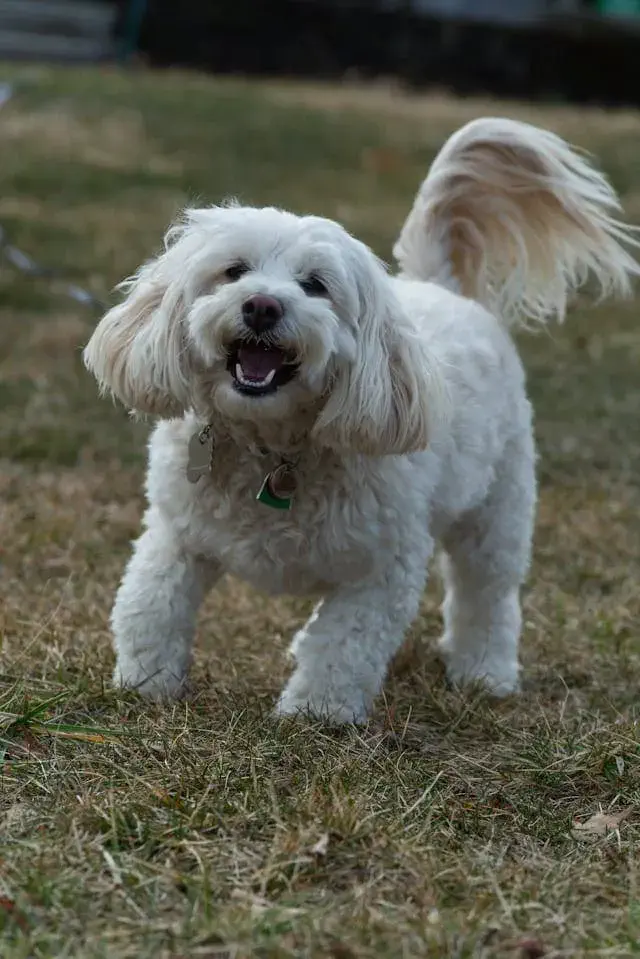
Tail wagging doesn’t always mean a dog is happy. A slow wag may signal uncertainty, while a fast, loose wag often shows excitement or friendliness. A stiff tail with short movements can indicate alertness or stress.
Barking

Dogs bark to communicate. Alert barking warns of strangers, excessive barking may indicate boredom or anxiety, and high-pitched barking often shows excitement or playfulness.
Chewing

Chewing is natural, especially for puppies. It helps with teething and stress relief, but excessive chewing in adult dogs may point to boredom, anxiety, or lack of exercise.
Licking
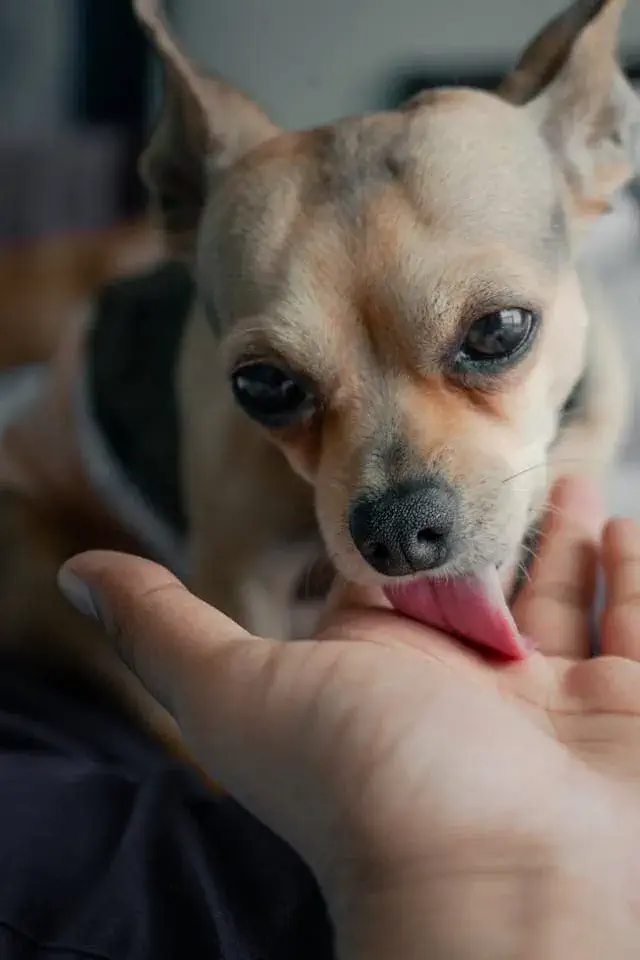
Licking is a sign of affection or submission, but constant licking can also indicate stress, allergies, or skin irritation.
Digging
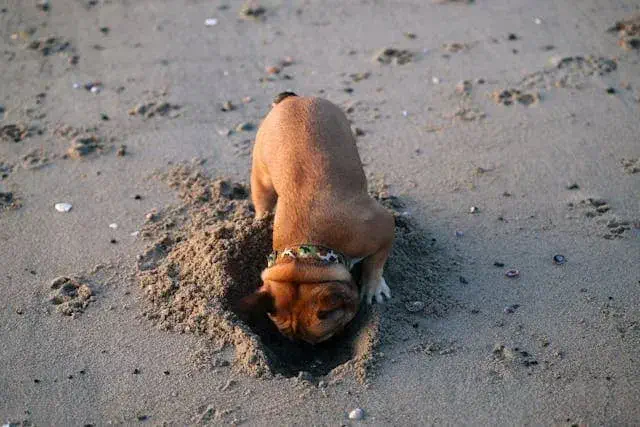
Digging comes from instinct. Dogs may dig to cool down, hide objects, or relieve boredom. Frequent digging can mean your dog needs more mental or physical stimulation.
Unusual Dog Habits You Shouldn’t Ignore
Some dog habits may look harmless but can signal stress or health issues if they happen often.
- Eating grass: Usually normal, but frequent grass eating may indicate stomach discomfort or dietary imbalance.
- Spinning in circles: Can be excitement, but repetitive spinning may point to anxiety or neurological concerns.
- Excessive yawning or panting: Often a sign of stress, fear, or overheating rather than tiredness.
If these habits become frequent or intense, it’s best to monitor your dog closely and consult a veterinarian if needed.
Dog Body Language and What It Means
Dogs rely heavily on body language to communicate how they feel. Understanding these signals helps prevent misunderstandings and keeps everyone safe.
- Tail position: A relaxed, mid-level tail usually means calmness, while a tucked tail shows fear or submission.
- Ear movement: Upright ears signal alertness, while ears pinned back often indicate anxiety or discomfort.
- Eye contact: Soft eye contact shows trust, but hard staring can be a sign of dominance or stress.
- Posture: A loose, wiggly body means relaxation, while a stiff posture can signal tension or aggression.
Reading these signs together gives a clearer picture of your dog’s emotions.
When Dog Habits Signal Health Problems
Not all habits are behavioral—some can be warning signs of health issues. Sudden or extreme changes in behavior should never be ignored.
- Excessive licking or scratching: May indicate allergies, skin infections, or pain.
- Loss of appetite or low energy: Can be signs of illness, stress, or digestive problems.
- Frequent whining or restlessness: Often linked to discomfort, anxiety, or injury.
- Sudden aggression or withdrawal: May be caused by pain or underlying medical conditions.
If a habit appears suddenly, worsens over time, or comes with physical symptoms, it’s important to consult a veterinarian promptly.
How to Correct Bad Dog Habits
Correcting unwanted dog habits requires patience, consistency, and positive reinforcement.
- Use Positive Reinforcement: Reward good behavior with treats, praise, or playtime instead of punishing bad habits.
- Provide Mental and Physical Stimulation: Boredom often leads to chewing, digging, or barking. Exercise and puzzle toys help.
- Set Consistent Routines: Dogs thrive on predictability. Feeding, play, and training at regular times reduce anxiety and confusion.
- Redirect Unwanted Behaviors: For example, give a chew toy instead of allowing furniture chewing.
- Avoid Punishment: Harsh punishment can increase stress and worsen problem behaviors.
Consistency and observation are key to shaping healthy habits and improving your dog’s behavior over time.
Tips to Encourage Healthy Dog Habits
Promoting good habits helps your dog stay happy, healthy, and well-behaved.
- Balanced Diet: Proper nutrition supports energy, mood, and overall health.
- Daily Exercise: Physical activity prevents boredom and destructive behaviors.
- Social Interaction: Playtime with humans or other dogs encourages positive habits.
- Training and Mental Stimulation: Teach commands, use puzzle toys, and rotate activities to keep your dog engaged.
- Regular Vet Checkups: Early detection of health issues can prevent behavior problems linked to pain or discomfort.
These steps ensure your dog develops habits that are beneficial for both their health and your household environment.
Conclusion
Understanding your dog’s habits is essential for being a responsible and attentive pet owner. From tail wagging and barking to licking, chewing, and digging, every behavior is a form of communication that can indicate emotions, needs, or health issues.
By observing your dog carefully, learning to read their body language, and addressing unusual or harmful behaviors early, you can strengthen your bond, prevent problems, and ensure your dog stays happy and healthy.
Remember: consistent training, proper nutrition, regular exercise, and veterinary care are the keys to fostering positive dog habits that benefit both your pet and your household.
What are the habits of dogs?
1.Tail Wagging – Happy, excited, or sometimes nervous.
2.Barking – Alerting, bored, scared, or asking for attention.
3.Chewing – Teething, stress relief, or boredom.
4.Licking – Showing love, submission, or stress.
5.Digging – Instinct, boredom, or wanting to hide something.
6.Eating Grass – Usually normal; too much may mean stomach upset.
7.Spinning/Circling – Playful, anxious, or a compulsive habit.
8.Head Tilting – Curious or trying to understand sounds.
9.Staring at You – Wants attention, food, or trying to communicate.
10.Sleeping in Odd Positions – Comfortable, relaxed, or cooling down.
These habits are mostly normal communication methods, but sudden changes can sometimes indicate stress or health issues.
What are the 5 personality types of dogs?
Dogs, like humans, have distinct personality types that influence how they behave, interact, and respond to training. Here are the 5 common dog personality types:
1. The Social Butterfly (Friendly & Outgoing)
Loves meeting people and other dogs
Enjoys attention and playtime
Easily adapts to new environments
2. The Protector (Alert & Watchful)
Naturally cautious or territorial
Excellent watchdog
Loyal and devoted to family
3. The Adventurer (Curious & Energetic)
Loves exploring, running, and learning new things
Enjoys challenges and new experiences
Needs plenty of physical and mental stimulation
4. The Thinker (Independent & Observant)
Observant, intelligent, and sometimes reserved
Prefers to analyze situations before acting
Can be trained well with patience and consistency
5. The Sensitive Soul (Shy & Gentle)
Easily startled or nervous around strangers
Needs gentle guidance and reassurance
Forms strong bonds with trusted humans
Understanding your dog’s personality type helps tailor training, exercise, and socialization to their natural tendencies.
What are the 7 daily habits?
Here’s a simple list of 7 daily habits that help dogs stay healthy, happy, and well-behaved:
1. Regular Exercise
Daily walks, playtime, or runs keep your dog fit and prevent boredom.
2. Healthy Feeding Schedule
Feeding at consistent times supports digestion and prevents overeating.
3. Fresh Water Access
Always provide clean water to keep your dog hydrated.
4. Litter or Potty Breaks
Regular outdoor breaks or designated potty areas prevent accidents.
5. Mental Stimulation
Puzzle toys, training, and interactive play keep their mind active.
6. Grooming and Hygiene
Brushing, nail trimming, and occasional baths maintain coat and skin health.
7. Social Interaction
Time with family, other dogs, or safe social settings strengthens bonds and reduces stress.

